
The INSARAG event in Abu Dhabi brought together international urban search and rescue teams under a structured framework of preparedness, coordination, and operational evaluation. At the center of the exercise stood the UAE 01 USAR IER team, demonstrating advanced capabilities in disaster response and interagency cooperation. The program emphasized readiness, rapid deployment, and strict adherence to international standards. Through realistic simulations, teams validated procedures, equipment reliability, and command efficiency in complex emergency scenarios.
The UAE 01 USAR IER classification process involved rigorous assessments of logistics, medical support, structural search operations, and technical rescue proficiency. Specialized vehicles, mobile command units, rescue boats, and robotic systems highlighted operational depth and adaptability. Evaluators observed response times, safety protocols, communication clarity, and teamwork under pressure. Each operational phase reflected discipline, structured methodology, and continuous improvement aligned with INSARAG guidelines and global humanitarian principles.
Beyond technical evaluation, the event reinforced collaboration between agencies, decision makers, and operational personnel. The exchange of best practices strengthened mutual trust and professional understanding among participating units. INSARAG’s Preparedness and Response framework ensured consistent standards across nations, promoting interoperability and coordinated action during major incidents. The exercise confirmed that preparedness is built not only through equipment, but through shared knowledge and structured leadership.
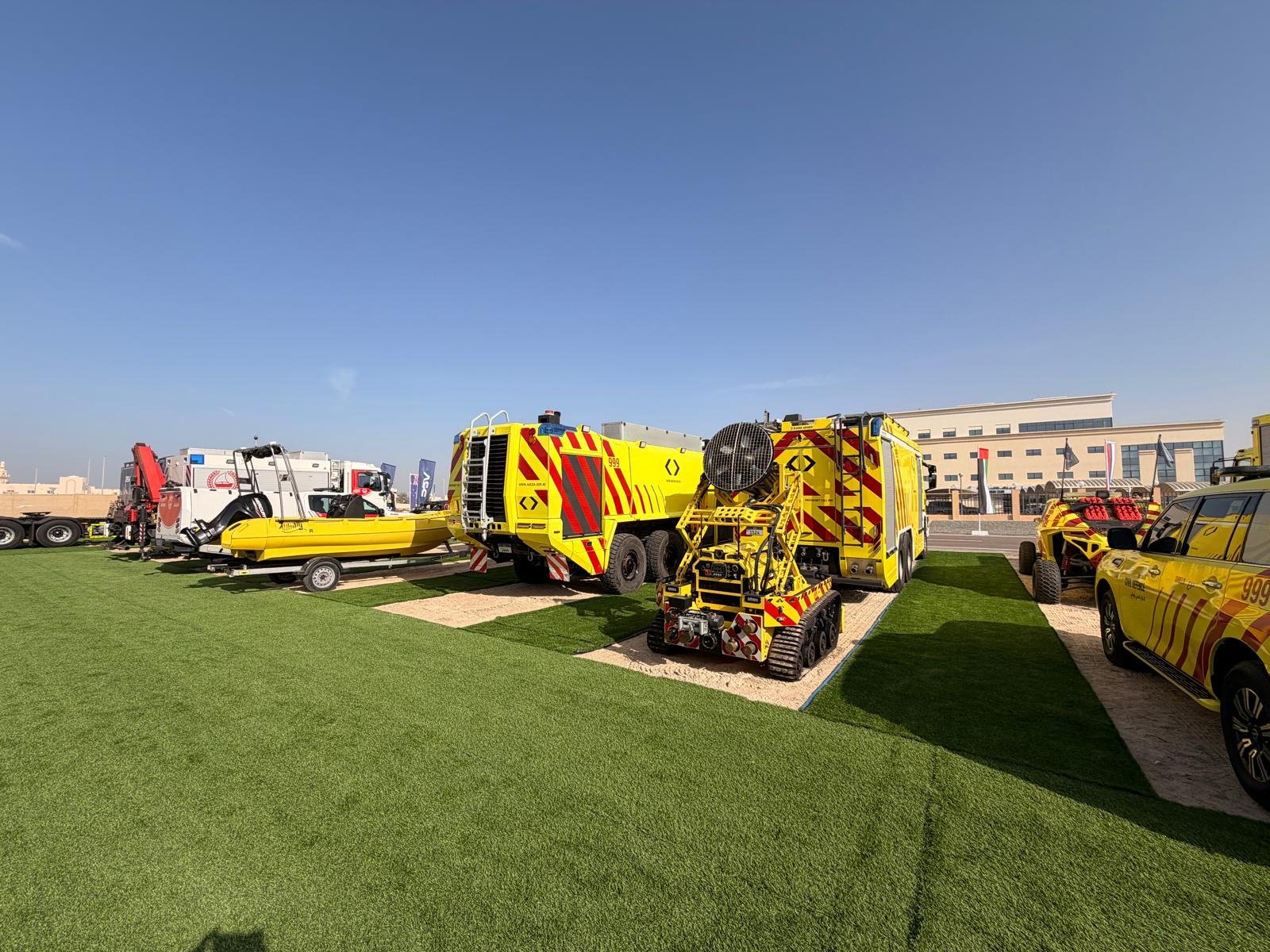
The visible presence of advanced rescue vehicles, heavy equipment, and specialized tools illustrated the UAE’s commitment to maintaining high operational standards. From command posts to field deployment areas, each component reflected organization, readiness, and attention to detail. The evaluation environment maintained strict safety oversight, ensuring that all demonstrations were conducted within controlled and compliant parameters.
Workshops, technical briefings, and inter-team discussions complemented the practical exercises, allowing experts to analyze lessons learned and identify future improvements. Manufacturers and operational leaders engaged in dialogue regarding innovation, maintenance strategies, and equipment optimization. The structured environment enabled practical feedback loops between field operators and technical developers, reinforcing the importance of lifecycle management and continuous capability development.
Ultimately, the INSARAG event in Abu Dhabi represented more than an evaluation; it reaffirmed the UAE 01 USAR IER team’s readiness to respond effectively to complex emergencies. By aligning international standards with operational discipline, the program strengthened regional and global disaster response capacity. It underscored a shared commitment to preparedness, professional excellence, and coordinated action in safeguarding communities worldwide.